Thriva Boost Usage Guide for Zucchini
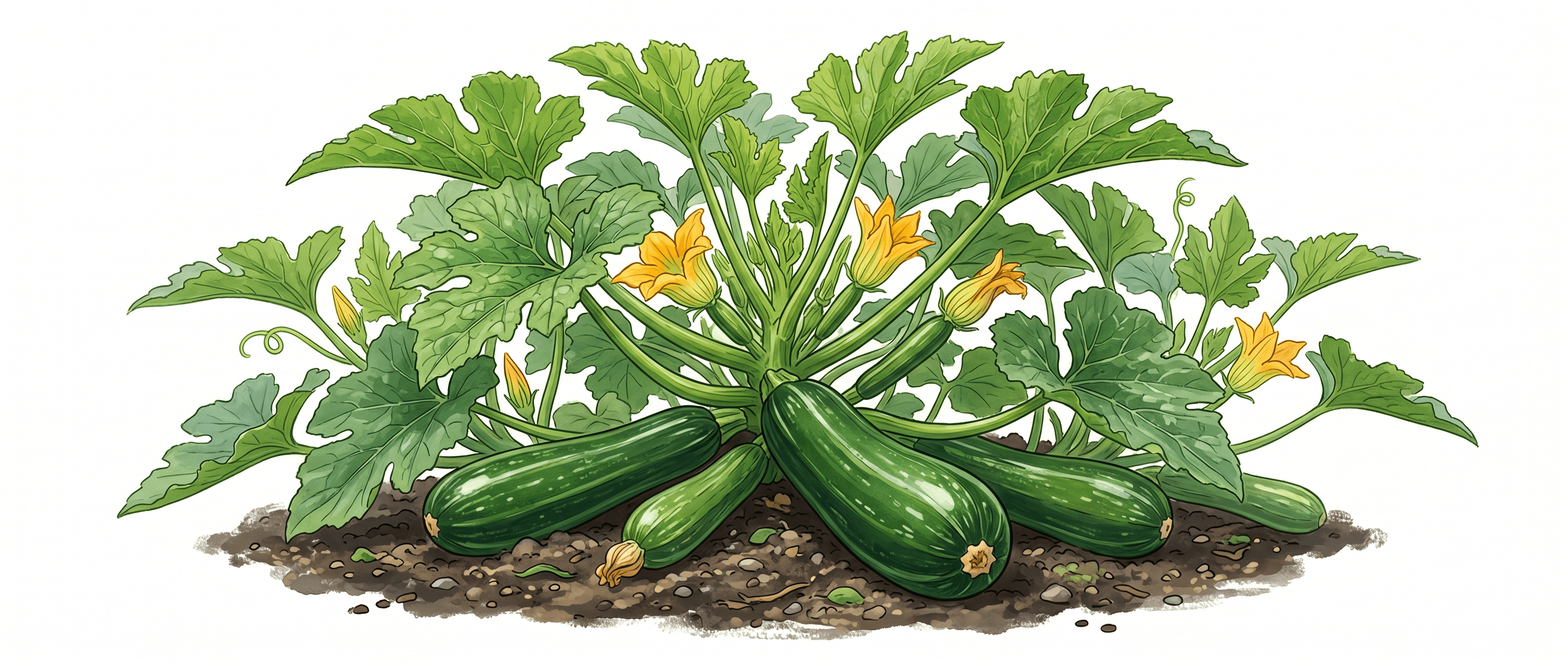
Zucchini is one of the most productive plants in the vegetable garden. A well fed plant in good soil can produce fruit faster than most families can eat it. Zucchini are heavy feeders, and nitrogen is the engine behind the vigorous early growth that sets a plant up for a long, productive season. The challenge, as with all fruiting plants, is knowing when to back off.
Why nitrogen matters for zucchini
Zucchini needs nitrogen early and in meaningful quantities to build the large-leafed canopy that drives photosynthesis and supports fruit production. Research from the University of Florida confirms that split nitrogen applications, rather than a single large dose, produce significantly higher marketable yields. However, once flowers appear, high nitrogen redirects energy into foliage and can delay fruit set or produce large plants that fruit poorly.
Zucchini growth stages and nitrogen needs
Growth stage | Thriva amount | Notes |
At planting / transplanting | 0.75 oz per plant | Mix into the planting hole or side-dress at transplanting. Sets up the nitrogen base for rapid early growth. |
2–3 weeks after emergence (mid-vegetative) | 0.75 oz per plant | Side-dress once the plant is established and actively growing. This is the peak nitrogen demand window. |
At first flowering | Hold or reduce | Transition away from nitrogen as flowers appear. Excess N causes lush foliage and poor fruit set. |
During heavy fruiting (if needed) | 0.25–0.5 oz per plant | Apply only if vines appear pale or growth stalls mid-season. Repeat every 3 weeks if needed during a long harvest. |
Total Thriva per plant: Approximately 1.5–2 oz per plant over the season. Zucchini are heavy enough feeders that a split application early in the season (two doses before flowering) produces the best results. |
Signs of nitrogen deficiency in zucchini
Yellowing leaves starting from the bottom of the plant
Slow vine or stem growth during the active growing period
Pale green, undersized leaves
Reduced fruit production or small fruit size
Over-application during fruiting: Too much nitrogen once plants are flowering produces enormous, beautiful plants that set very little fruit. If your zucchini is all leaves and no squash, stop nitrogen applications immediately and allow the plant to redirect energy to fruit. |
Pollination note: Poor fruit set in zucchini is often a pollination issue, not a nutrient deficiency. Look for both male and female flowers (females have a small swollen base). If pollinators are scarce, hand-pollinate before adjusting your fertilizer schedule. |
Frequently asked questions
How much Thriva do zucchini plants need?
About 1.5–2 oz per plant over the season, concentrated in two applications before flowering. Hold back or reduce nitrogen once flowers appear.
Why is my zucchini plant huge but not producing fruit?
Excess nitrogen is the most likely cause, especially if the plant is very dark green and lush. Stop nitrogen applications and check that both male and female flowers are present and being pollinated.
How often should I fertilize zucchini?
Two targeted applications of Thriva, one at planting and one 2–3 weeks later during active vegetative growth, is the foundation. A light maintenance dose every 3 weeks during active fruiting is optional if the plant shows signs of deficiency.