How to fertilize peppers with Thriva organic ammonium fertilizer
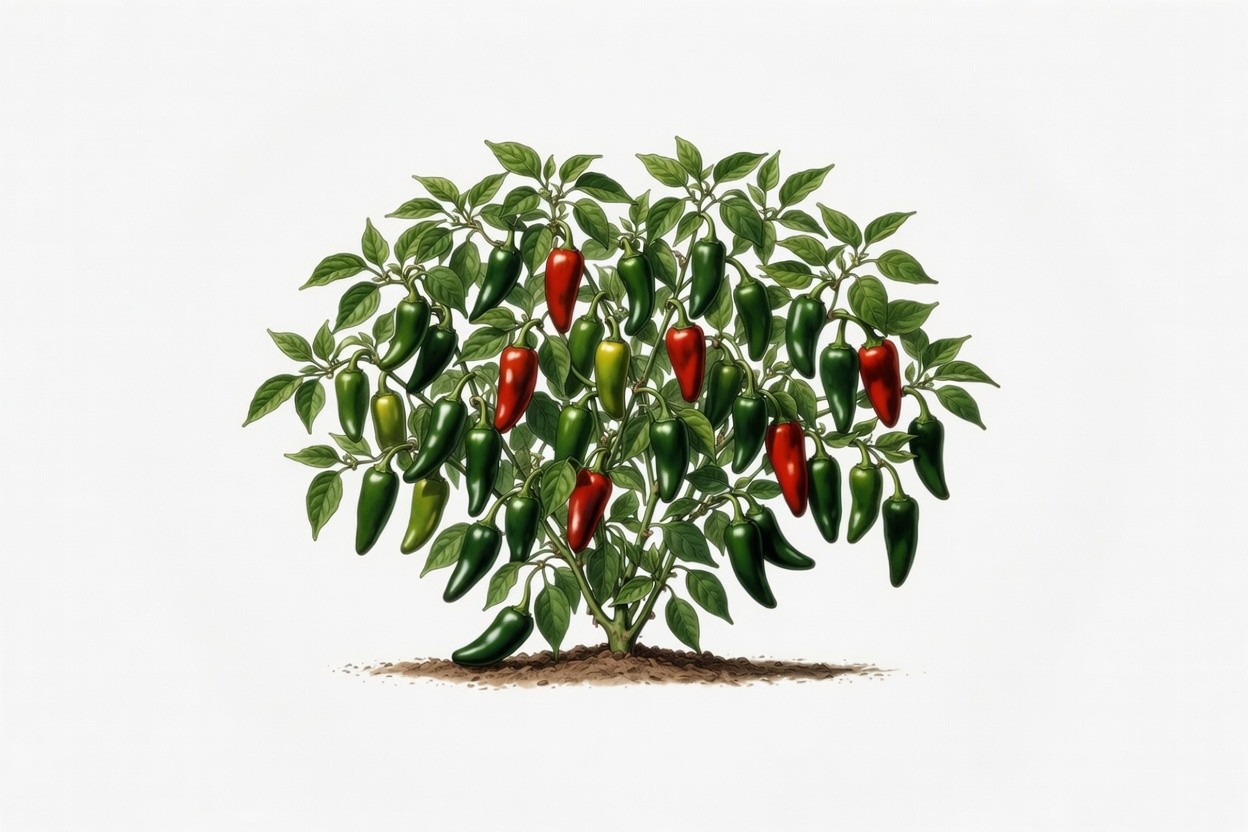
Peppers are long-season crops that reward patient, well-timed feeding. They need a strong nitrogen foundation early in the season to build the canopy that will support fruit, but too much nitrogen at the wrong time pushes the plant back into vegetative growth, delays flowering, and can trigger blossom drop.
Why nitrogen matters for pepper plants
Nitrogen drives chlorophyll synthesis and amino acid production. Both are essential for building the leaf mass peppers need before they flower. A large, healthy canopy early in the season directly determines how many fruits the plant can support. However, once flower buds appear, nitrogen demand shifts and other nutrients take over, making timing important for nitrogen fertilizers.
Pepper growth stages and nitrogen needs
Growth stage | Thriva amount | Notes |
Vegetative (transplant to first buds) | 0.75 fl oz | Front-load nitrogen to build canopy. Apply at transplanting. A larger canopy = more fruit potential. |
Pre-flowering (3-4 weeks after transplant) | 0.75 fl oz | A second nitrogen application 3-4 weeks after transplanting sets up the plant before flowering begins. |
Flowering & fruit set | Hold or reduce | Reduce nitrogen at this stage. Excess N causes blossom drop and slows fruit set. Let potassium and phosphorus do the work. |
Post-harvest / between flushes | 0.5 fl oz if needed | Peppers re-vegetate between harvests. A light application of Thriva helps the plant recover and produce the next flush faster. |
Total Thriva per plant: Approximately 1.5–2 oz over the full season for most sweet and hot pepper varieties. Longer-season varieties or those grown in containers may benefit from slightly more. |
What nitrogen deficiency looks like in peppers
Yellowing starting from older, lower leaves progressing upward
Pale green overall appearance; stunted growth
Reduced flower set and fewer fruits than expected
Thin, spindly stems unable to support fruit weight
Determinate vs. indeterminate peppers: Sweet bell peppers tend to set fruit in waves and respond well to a steady, light feeding schedule. Hot peppers and long-season varieties continue producing into fall and may need an extra application between harvests. |
Avoid over-application at flowering: Excess nitrogen when flower buds are forming can cause blossom drop and newly opened flowers fall before setting fruit. If buds are visible, hold off on nitrogen until after a good set of fruit has formed. |
Frequently asked questions
How much Thriva do peppers need?
About 1.5–2 oz per plant over the season, split across the vegetative stage and between harvests. Reduce or skip nitrogen applications during active flowering to protect fruit set.
Why are my pepper flowers falling off?
Blossom drop is often caused by excess nitrogen during flowering, temperature stress, or inconsistent watering. If you recently applied nitrogen fertilizer and flowers are dropping, hold off on further applications until fruit is visible.
Can I fertilize peppers in containers?
Yes. Container peppers are especially responsive to regular light feeding since nutrients leach quickly. Apply Thriva at the same growth-stage schedule, but consider slightly more frequent, smaller applications compared to in-ground plants.