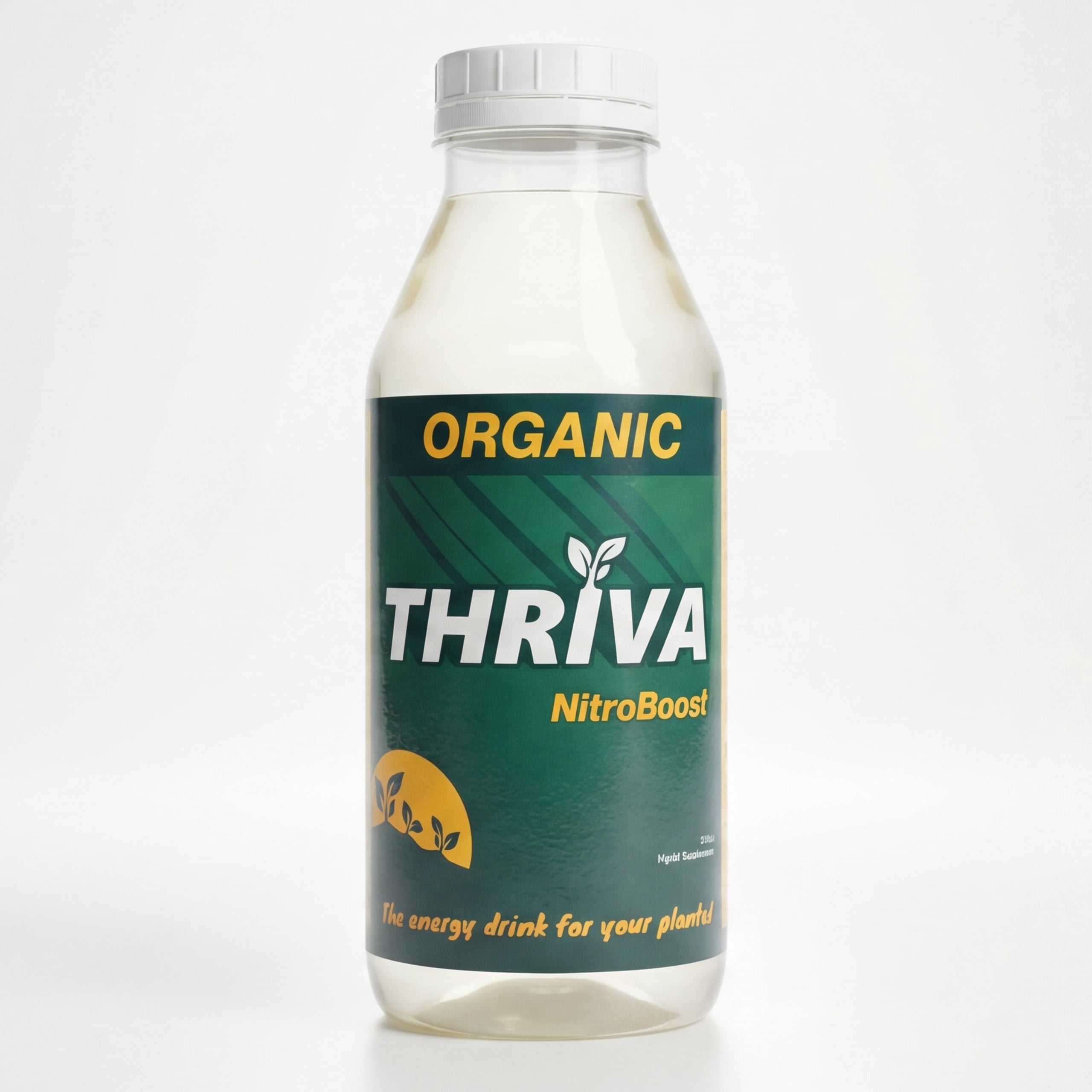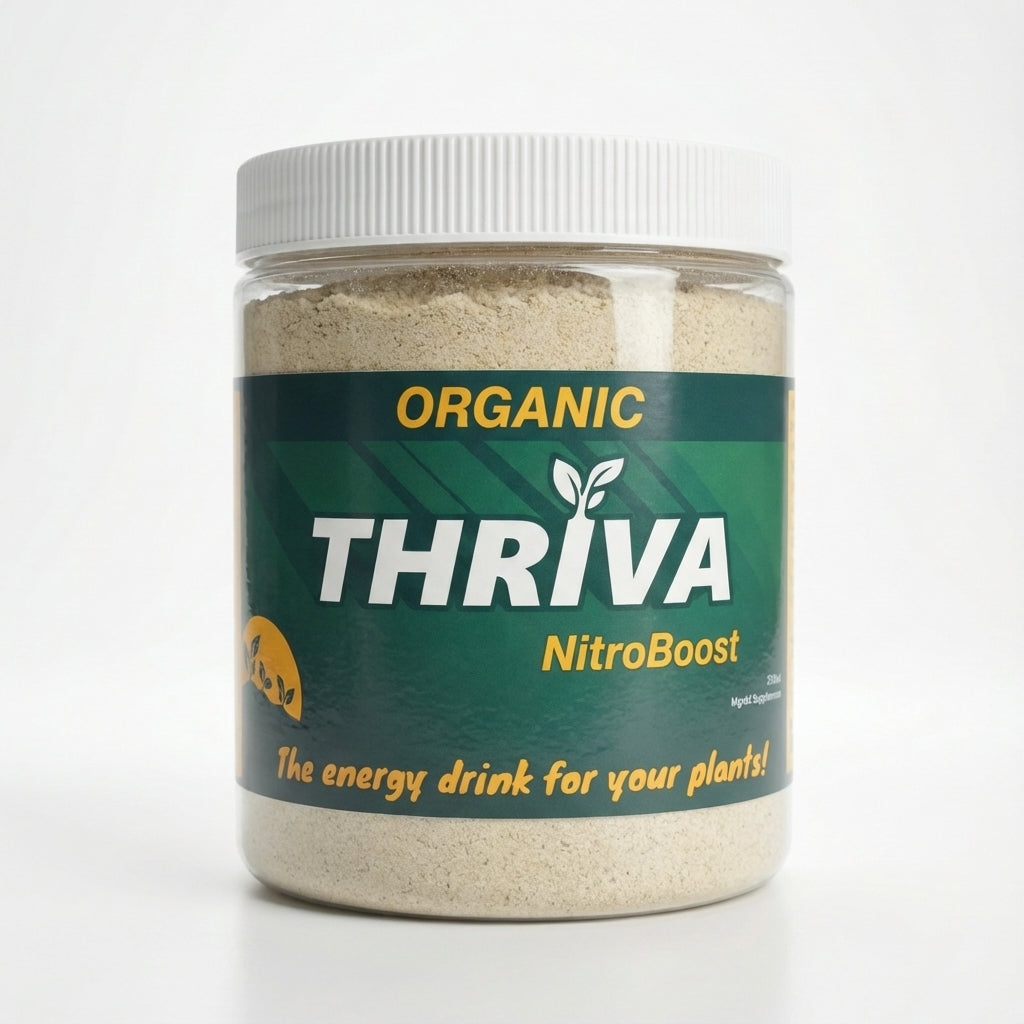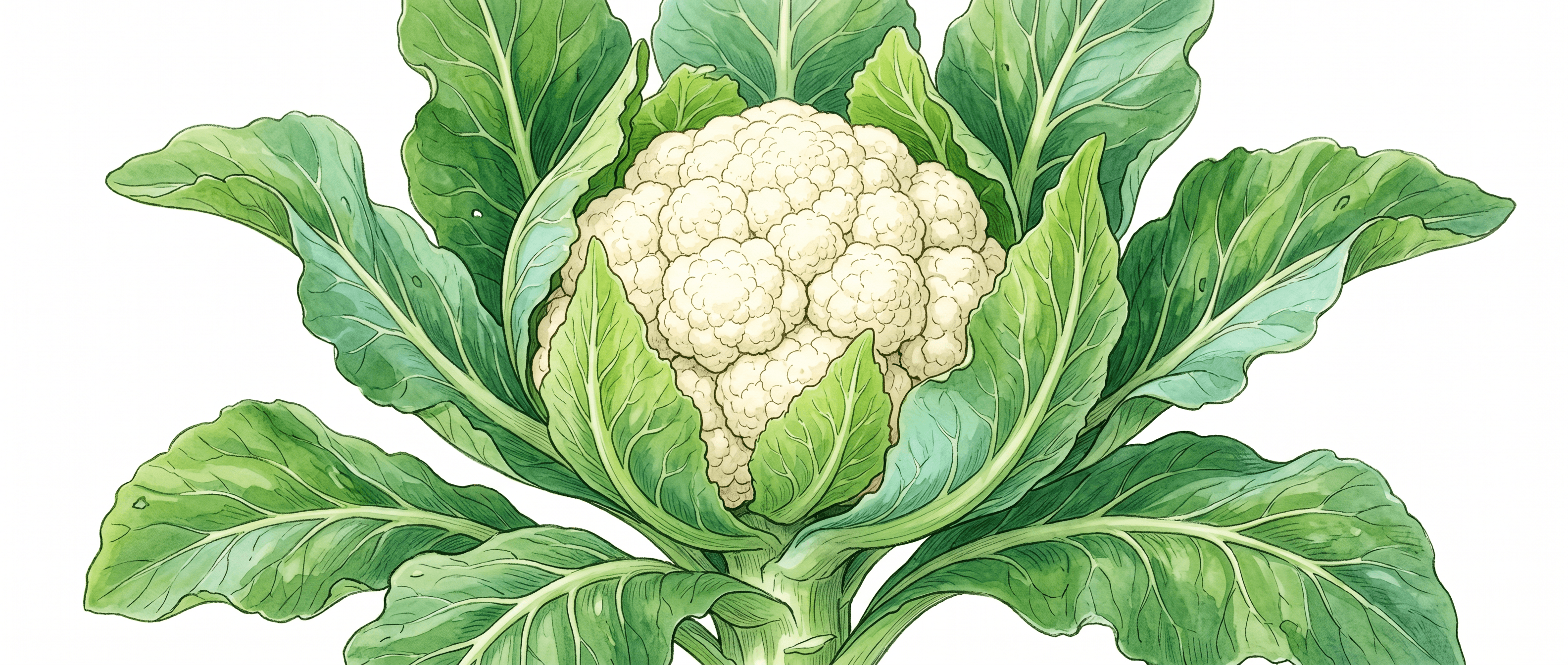
Thriva Boost Usage Guide for Cauliflower
Cauliflower is widely regarded as the most demanding brassica to grow well. It requires consistent moisture, a fertile soil high in organic matter, and a steady nitrogen supply throughout its vegetative stage. Any interruption in water, temperature, or nutrition, can trigger premature heading, poor curd development, or discoloration. Get the nitrogen right, and cauliflower rewards you with tight, brilliant white heads.
Why nitrogen is especially critical for cauliflower
Unlike broccoli, cauliflower has very little tolerance for nutritional stress. UMass Extension notes that a fertile, moist soil relatively high in nitrogen is required for successful production. The curd (the edible white head) develops only when the plant has built sufficient leaf area and overall vigor. Any slowdown in vegetative growth, including nitrogen shortage, causes buttoning where the plant forms a tiny head prematurely, often smaller than a golf ball. The vegetative stage is therefore the single most important nitrogen investment for cauliflower.
Cauliflower growth stages and nitrogen needs
Growth stage | Thriva amount | Notes |
At transplanting | 1 oz per plant | Apply immediately at transplanting. Getting nitrogen in early is critical. Cauliflower needs uninterrupted vegetative growth from the start. |
2–3 weeks after transplanting | 1 oz per plant | The most important application. Plants should be actively growing and building the canopy that will support curd formation. |
4–5 weeks after transplanting (pre-heading) | 0.5 oz per plant | A final light application as the plant approaches heading. Keep the rate moderate. Excess nitrogen late can delay heading and affect curd compactness. |
Total Thriva per plant: Approximately 2.5 oz over the season. More than many plants, cauliflower benefits most from consistent, uninterrupted nitrogen supply during vegetative growth. Don't let the plant experience a nitrogen gap between applications. |
Nitrogen-related problems specific to cauliflower
Buttoning is the most common problem. They form a tiny head prematurely before plants have adequate leaf area caused by any vegetative stress including nitrogen shortage
Loose or ricey curds are heads that don't compact properly, often linked to temperature stress combined with inconsistent nutrition
Brown or discolored curds can result from several causes including boron deficiency, but nitrogen imbalance can be a contributing factor
Slow heading is sometimes a sign of insufficient nutrition overall. Make sure all three applications are made on schedule
Blanching note: White cauliflower varieties need to be blanched (leaves tied over the head) when the curd is 2–3 inches in diameter to prevent yellowing from sun exposure. This is a cultural practice, not a fertilizer issue, but it's a common source of confusion when heads discolor. |
Variety selection matters: Cauliflower varieties range from 55 to 95 days to maturity. Longer-season varieties have more time to build vegetative mass, which means more opportunity for your nitrogen applications to have full effect. Shorter-season types need to be fertilized promptly with no delays. |
Frequently asked questions
How much Thriva does cauliflower need?
About 2.5 oz per plant over the season, applied in three doses: at transplanting, 2–3 weeks later, and again at 4–5 weeks. Consistency is more important for cauliflower than for almost any other vegetable.
Why did my cauliflower form a tiny head?
This is buttoning, premature curd formation before the plant has adequate size. It's most often caused by cold stress at transplanting, drought, or insufficient nitrogen during vegetative growth. Preventing it means planting at the right time and making sure nitrogen is adequate from day one.
How is cauliflower different from broccoli to fertilize?
Cauliflower is less forgiving of any nutrient gap or stress. It benefits from slightly higher total nitrogen than broccoli and requires that applications be made on schedule without gaps. Broccoli can recover more readily from a missed application than cauliflower can.